Small and medium enterprises contribute about 48% of Nigeria’s GDP (BusinessDay NG, 2025) — which means the sustainability choices Nigerian SMEs make, multiplied across hundreds of thousands of businesses, matter more than any single corporate pledge. The good news: sustainability for a small business rarely means big capital outlay. Most of what follows is inexpensive, practical, and pays for itself — often within months, not years.
This guide lists 50 sustainable practices any small business in Nigeria can start adopting today, organized into 10 categories. For each one, we explain why it matters and the concrete value it adds to your business — not just the planet.
How to Use This List
- You don’t need to do all 50 at once. Pick 3–5 that match your biggest cost centers (usually energy, water, or waste) and start there.
- Track what you save. Even a simple spreadsheet of before-and-after electricity or water bills builds the case for your next investment.
- Sustainability compounds. Small, consistent changes tend to outperform one large initiative that stalls after month one.
1. Energy & Power

Power is the single biggest controllable cost for most Nigerian businesses, given generator dependence and rising fuel prices. This is usually the highest-ROI category to start with.
1. Switch to LED lighting
Why it matters: Incandescent and fluorescent bulbs consume far more electricity per unit of light and generate more heat, raising cooling costs too.
Value it adds: Lower electricity draw reduces both grid and generator fuel costs, and LEDs last significantly longer, cutting replacement expenses. (The Alternative Bank, 2026)
2. Install a solar hybrid system (solar + inverter + generator)
Why it matters: Unreliable grid supply forces most Nigerian businesses to run generators 18–20 hours a day, and diesel/petrol costs are volatile.
Value it adds: A well-sized solar hybrid setup can cut generator fuel spend by 50–70%, extend generator lifespan through fewer run-hours, and typically pays for itself within 36–60 months. (Ownkey Blog, 2026)
3. Buy energy-efficient appliances
Why it matters: Cheaper, low-efficiency refrigerators, air conditioners, and freezers consume more power over their lifetime, even if the upfront cost is lower.
Value it adds: Efficient appliances reduce daily energy draw and lower long-term maintenance costs — the savings usually outweigh the higher purchase price within a year or two. (The Alternative Bank, 2026)
4. Run a basic energy audit every quarter
Why it matters: Most businesses don’t know exactly where their electricity is going until they measure it — a few high-draw appliances often account for most of the bill.
Value it adds: Identifying and fixing the biggest draws (old AC units, always-on equipment) usually delivers the fastest payback of any sustainability action.
5. Schedule high-energy tasks for off-peak or daylight hours
Why it matters: Running heavy equipment during solar-generation hours, or off peak-tariff windows, reduces reliance on grid or generator power at its most expensive.
Value it adds: Shifting load timing costs nothing to implement and directly reduces fuel and electricity spend.
2. Water Conservation

Water scarcity is one of Nigeria’s most pressing environmental challenges, and current use already exceeds renewable supply in many areas (ResearchGate, 2015). For water-dependent businesses — hospitality, food service, laundries, salons — conservation is both an environmental and operating-cost issue.
6. Install rainwater harvesting systems
Why it matters: Rainwater harvesting is a proven, low-tech way to supplement scarce municipal or borehole water supply. (Ola Francis / Medium, 2024)
Value it adds: Captured rainwater can cover non-potable needs (cleaning, toilets, irrigation), reducing water-purchase or borehole-pumping costs.
7. Fix leaks promptly and inspect plumbing regularly
Why it matters: Undetected leaks waste water continuously and often go unnoticed until the bill arrives.
Value it adds: Leak detection and prompt repair is one of the cheapest conservation measures available, with an almost immediate payback.
8. Install low-flow fixtures and taps
Why it matters: Standard taps and fittings use significantly more water per use than low-flow alternatives, with no functional difference for most tasks.
Value it adds: Lower water consumption directly reduces utility or borehole-pumping costs, especially for restaurants, salons, and hotels.
9. Reuse greywater where possible
Why it matters: Water used for washing or rinsing can often be reused for cleaning floors, flushing, or irrigation instead of being discarded.
Value it adds: Reduces total water draw without needing new infrastructure, particularly valuable during dry-season shortages.
10. Track water use monthly
Why it matters: Like energy, most businesses don’t monitor water use closely enough to catch waste or plan for scarcity.
Value it adds: Monthly tracking flags leaks and inefficiencies early and builds a case for future investment in conservation infrastructure.
3. Waste Management & Recycling
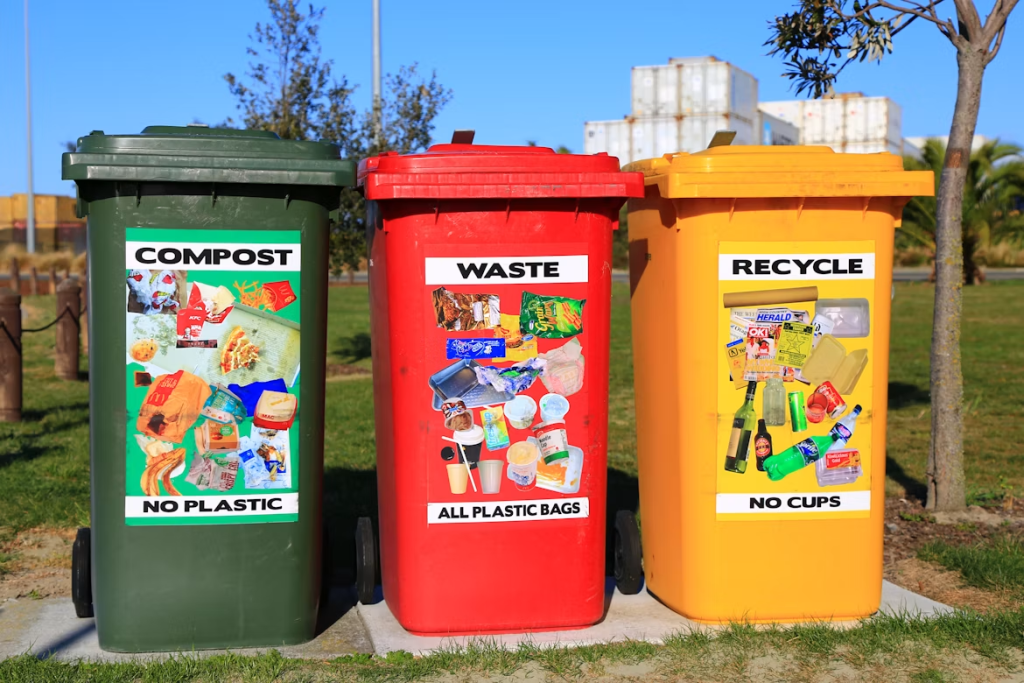
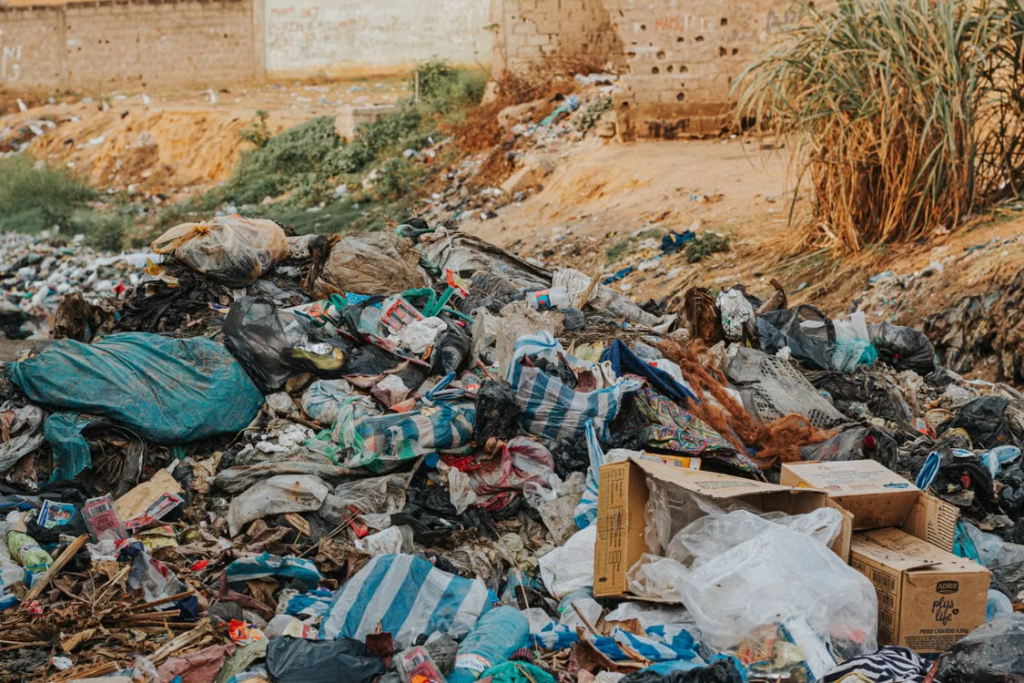
Nigeria generates over 1.5 million tonnes of plastic waste a year, with less than 10% processed through formal recycling channels (TGED Foundation, 2026) — a gap that also represents an opportunity for businesses willing to manage waste responsibly.
11. Segregate waste at source
Why it matters: Mixed refuse is far harder and more expensive to recycle; segregation at source is the single biggest lever for improving recycling rates. (ScienceDirect, 2025)
Value it adds: Segregated waste can often be sold to recyclers rather than paid for disposal, turning a cost center into a small revenue stream.
12. Partner with formal or informal recyclers
Why it matters: Much of Nigeria’s waste recovery is currently done by informal collectors who lack consistent business relationships with generators of recyclable waste. (TGED Foundation, 2026)
Value it adds: A direct relationship with a recycler reduces disposal costs and can generate income from materials like cardboard, PET bottles, and scrap metal.
13. Compost organic waste
Why it matters: Organic material makes up 50–70% of typical Nigerian waste streams, most of which ends up in landfill or is burned. (ScienceDirect, 2025)
Value it adds: Composting food and organic waste cuts disposal volume and can produce usable fertilizer for landscaping or resale.
14. Reduce single-use materials in daily operations
Why it matters: Disposable cups, cutlery, and packaging generate ongoing waste and recurring cost, unlike reusable alternatives.
Value it adds: Switching to reusable items lowers per-unit consumable costs over time, even with a slightly higher upfront purchase.
15. Set a waste-reduction target and review it quarterly
Why it matters: Without a specific target, waste reduction tends to stay an intention rather than a habit.
Value it adds: Tracking volume and cost of waste disposal over time reveals where reduction efforts are working — and where to focus next.
4. Sourcing & Supply Chain
Where and how you source materials shapes both your cost base and your exposure to supply chain risk — increasingly a factor larger buyers screen for.
16. Source materials and inputs locally where possible
Why it matters: Imported materials carry currency risk, longer lead times, and higher transport-related emissions.
Value it adds: Local sourcing shortens supply chains, reduces exposure to forex volatility, and often supports faster restocking.
17. Vet suppliers for basic labor and safety standards
Why it matters: Poor labor practices anywhere in a supply chain create reputational and, increasingly, regulatory risk for the business buying from them.
Value it adds: Responsible sourcing increasingly matters to larger buyers and partners screening suppliers for ESG compliance. (Thomson Reuters via Arbor.eco, 2026)
18. Buy in bulk to cut per-unit packaging
Why it matters: Smaller, frequent orders generate proportionally more packaging waste and more delivery trips than consolidated bulk orders.
Value it adds: Bulk purchasing usually secures better unit pricing while reducing packaging waste and delivery-related costs per item.
19. Choose recycled or sustainably certified materials when available
Why it matters: Recycled inputs (like rPET or recycled paper) reduce demand for virgin raw materials and often cost less as recycling infrastructure matures. (Spherical Insights, 2026)
Value it adds: Using certified or recycled materials can differentiate a business to increasingly sustainability-conscious customers and B2B buyers.
20. Support local artisans, farmers, and small suppliers
Why it matters: Sourcing from smallholder farmers and local producers strengthens the surrounding economic ecosystem your business depends on.
Value it adds: Local supplier relationships tend to be more flexible and can double as a genuine, verifiable community-impact story for marketing.
5. Digital & Paperless Operations

Roughly 17 out of every 100 jobs in Nigeria are now remote (MyJobMag, 2025), and businesses adopting digital-first operations are cutting both paper waste and overhead costs at the same time.
21. Move invoicing and record-keeping digital
Why it matters: Paper records are costly to store, easy to lose, and generate ongoing consumable expense (paper, ink, printers).
Value it adds: Digital invoicing cuts paper and printing costs and speeds up payment cycles through easier tracking and follow-up.
22. Offer remote or hybrid work where roles allow
Why it matters: About 56% of Nigerian employees surveyed agree that remote work reduces commuting time and enhances efficiency. (ResearchGate, 2025)
Value it adds: Reduced commuting cuts staff transport costs and associated emissions, while often improving retention and work-life balance.
23. Use e-signatures and digital contracts
Why it matters: Printing, signing, and scanning documents wastes time, paper, and courier costs for something that can be done instantly online.
Value it adds: Faster contract turnaround speeds up deal closure and removes a recurring, avoidable expense.
24. Store documents in the cloud instead of physical archives
Why it matters: Physical filing consumes office space, is vulnerable to fire, flood, or pest damage, and is far slower to search.
Value it adds: Cloud storage reduces the office footprint needed for archives and protects records against physical loss.
25. Shift marketing from print to digital channels
Why it matters: Printed flyers, banners, and posters generate one-time-use paper waste and are harder to track for ROI than digital campaigns.
Value it adds: Digital marketing is typically cheaper per reach and gives measurable performance data print materials can’t provide.
6. Packaging & Product Design

Plastic still holds a 48% share of Nigeria’s packaging market (Research and Markets, 2026), but demand is visibly shifting toward paper, flexible, and recycled formats as sustainability expectations rise.
26. Right-size packaging to the product
Why it matters: Oversized packaging wastes material and increases shipping volume and cost unnecessarily.
Value it adds: Smaller, well-fitted packaging cuts material cost per unit and reduces shipping/storage volume.
27. Switch to biodegradable or recycled packaging materials
Why it matters: Conventional plastic packaging persists in the environment for decades and contributes to Nigeria’s growing plastic waste burden. (TGED Foundation, 2026)
Value it adds: Sustainable packaging increasingly appeals to environmentally conscious customers and can be a differentiator in competitive retail categories.
28. Introduce refillable or reusable container options
Why it matters: Single-use containers generate repeat waste with every purchase, unlike refill models that reuse the same container.
Value it adds: Refill models can increase customer loyalty and repeat visits while cutting packaging costs per transaction over time.
29. Eliminate unnecessary single-use plastics (straws, bags, cutlery)
Why it matters: These items are typically used for minutes but persist as waste for years, and several Nigerian food and beverage companies are already phasing them out. (UNEP, 2026)
Value it adds: Removing low-value single-use items cuts a recurring cost line with minimal impact on customer experience.
30. Design products for durability and repairability
Why it matters: Products built to be repaired rather than replaced reduce the volume of waste generated per customer over time.
Value it adds: Durable products can support premium positioning and stronger brand loyalty, as seen with international brands like Patagonia.
7. Employees & Workplace Practices

56% of employees globally say they’re more likely to stay with an employer that has a strong sustainability record (Capgemini, 2024) — social sustainability isn’t separate from talent retention, it drives it.
31. Pay fair, transparent wages
Why it matters: Underpaying staff increases turnover and undermines the trust needed for a stable, motivated team.
Value it adds: Fair pay reduces costly turnover and recruitment cycles, and tends to improve productivity and service quality.
32. Provide basic safety training and equipment
Why it matters: Workplace injuries are costly in lost time, morale, and potential liability — and are often preventable with basic precautions.
Value it adds: A safer workplace reduces downtime from accidents and supports a stronger employer reputation.
33. Offer flexible or output-based scheduling where possible
Why it matters: Rigid, inflexible schedules don’t always match how work actually gets done, especially for roles with variable workloads.
Value it adds: Flexibility improves employee satisfaction and retention without necessarily increasing labor costs.
34. Hire and promote based on merit, without discrimination
Why it matters: Diverse, inclusive workplaces draw from a wider talent pool and better reflect the customer base a business serves.
Value it adds: Companies actively building inclusive workforces — like Unilever Nigeria’s disability-inclusion hiring — build both reputation and workforce resilience. (BusinessDay NG, 2026)
35. Train staff on basic sustainability practices
Why it matters: Sustainability initiatives fail more often from lack of staff buy-in than lack of budget.
Value it adds: A trained, engaged team catches inefficiencies management alone would miss — from unnecessary energy use to avoidable waste.
8. Transport & Logistics

Fuel is one of the most volatile cost lines for any Nigerian business with a delivery or field operation — small routing and maintenance changes add up quickly.
36. Optimize delivery routes
Why it matters: Inefficient routing wastes fuel and staff time on avoidable extra mileage.
Value it adds: Route optimization software or even basic manual planning can meaningfully cut fuel spend and delivery time.
37. Consolidate deliveries instead of multiple small trips
Why it matters: Frequent small deliveries burn more fuel per item delivered than fewer, fuller trips.
Value it adds: Consolidated logistics reduces fuel cost per delivery and cuts vehicle wear and maintenance frequency.
38. Maintain vehicles and generators on schedule
Why it matters: Poorly maintained engines burn more fuel and break down more often, creating both cost and downtime risk.
Value it adds: Regular maintenance extends equipment lifespan and keeps fuel efficiency closer to factory specification.
39. Encourage carpooling or shared transport for staff
Why it matters: Multiple staff commuting separately to the same location multiplies fuel cost and traffic exposure unnecessarily.
Value it adds: Shared transport arrangements can reduce staff commuting costs and improve punctuality.
40. Choose local delivery and logistics partners over long-haul options where feasible
Why it matters: Shorter delivery distances mean less fuel burned per order and faster turnaround for customers.
Value it adds: Local logistics partnerships often cost less and build stronger, more reliable delivery relationships than distant alternatives.
9. Customer & Community Engagement

Sustainability that customers and communities can see and participate in tends to build the kind of trust that pure marketing can’t buy.
41. Communicate sustainability efforts honestly, with evidence
Why it matters: Vague or unsupported environmental claims risk being seen as greenwashing, which damages trust once discovered.
Value it adds: Transparent, evidence-backed communication builds credibility with increasingly sustainability-aware customers.
42. Run or sponsor community clean-up initiatives
Why it matters: Local waste and environmental degradation directly affects the neighborhoods a business operates and draws customers from.
Value it adds: Visible community involvement strengthens local reputation and can be a genuine (not just promotional) differentiator.
43. Support local schools or skills programs
Why it matters: Investing in local education and skills builds the future talent pool a growing business will eventually need.
Value it adds: Community investment of this kind builds long-term goodwill and can support recruitment pipelines over time.
44. Offer take-back or recycling programs for customers
Why it matters: Customers often have no easy way to responsibly dispose of packaging or old products, so they default to landfill.
Value it adds: Take-back programs strengthen customer relationships and can recover materials for reuse or resale.
45. Reward customers for sustainable choices (bring-your-own-container discounts, etc.)
Why it matters: Small incentives are often enough to shift customer behavior toward lower-waste options.
Value it adds: Loyalty-style sustainability incentives can increase repeat visits while cutting packaging costs.
10. Governance, Finance & Measurement

Nigeria’s Climate Change Act (2021) already requires a designated sustainability unit and annual carbon reporting for private entities with 50+ employees, and mandatory ISSB-aligned disclosure phases in from January 2028 (IRIS Carbon, 2025) — smaller businesses that build these habits early won’t be scrambling to catch up later.
46. Set specific, measurable annual sustainability goals
Why it matters: Vague intentions (‘be more sustainable’) rarely translate into action, while specific targets create accountability.
Value it adds: Measurable goals make it possible to track progress, report results credibly, and course-correct when something isn’t working.
47. Track basic sustainability metrics (energy, water, waste)
Why it matters: Without a baseline, it’s impossible to know whether sustainability efforts are actually working.
Value it adds: Simple tracking — even a monthly spreadsheet — builds the data trail needed for future certifications, financing, or reporting requirements.
48. Explore green financing, grants, or low-interest sustainability loans
Why it matters: Many sustainability upgrades (solar, efficient equipment) carry upfront costs that pure operating cash flow can’t easily absorb.
Value it adds: Green financing options can lower the effective cost of capital for sustainability investments and improve payback timelines.
49. Start a voluntary sustainability reporting habit now, even if not yet legally required
Why it matters: Formal ISSB-aligned disclosure becomes mandatory for large entities from 2028 and other companies from 2030 — the businesses that start early will find compliance far less disruptive. (Majorwaves Energy Report, 2026)
Value it adds: Early reporting habits build credibility with banks, investors, and larger B2B customers who increasingly screen suppliers on ESG readiness.
50. Join a local sustainability network or industry association
Why it matters: Peer networks share practical, Nigeria-specific lessons that generic global guidance often misses.
Value it adds: Networks can open access to shared resources, group financing options, and credibility-building certifications a single small business couldn’t access alone.
Frequently Asked Questions
Do I need to implement all 50 practices to see results?
No. Start with 3–5 that address your biggest cost centers — usually energy, water, or waste — and expand from there.
Which practices have the fastest payback for a small business?
LED lighting, energy audits, leak repairs, and waste segregation tend to show returns within months, not years.
Is sustainability reporting mandatory for small businesses in Nigeria?
Not yet for most SMEs. The Climate Change Act currently applies to entities with 50+ employees, and full ISSB-aligned disclosure phases in for other companies from January 2030 — but starting early avoids a scramble later.
Can these practices actually save money, or do they only help the environment?
Most of the practices in this guide were selected specifically because they reduce a recurring cost — electricity, fuel, water, packaging, or waste disposal — alongside their environmental benefit.
Where should a very small business (under 10 staff) start?
Energy and waste usually offer the fastest, lowest-cost wins: switching to LED lighting, running a basic energy audit, and segregating waste for resale to recyclers.
Final Thoughts
None of these 50 practices require a Fortune 500 budget. Most are operational changes — how you buy, how you power your business, how you handle waste — that pay for themselves through lower costs, not just better optics.
The businesses that start building these habits now, ahead of Nigeria’s tightening sustainability regulations, will find compliance a formality rather than a scramble. More immediately, they’ll be running leaner, more resilient operations in an economy where power, water, and materials are only getting more expensive.
At GreenBusiness.ng, we believe sustainability for small businesses isn’t about perfection — it’s about starting with what’s practical, tracking what works, and building from there.
References
- BusinessDay NG – Five solar products that are cost savings for Nigerian SMEs, 2025
- The Alternative Bank – Eco-Friendly Homes in Nigeria: Energy Saving Upgrades, 2026
- Ownkey Blog – Solar Energy for Nigeria Homes 2026
- ResearchGate – Rainwater harvesting in Nigeria: Socioeconomic survey, 2015
- Ola Francis / Medium – Scaling the Hurdle of Water Scarcity in Nigeria, 2024
- TGED Foundation – Nigeria’s Waste Crisis: What the Data Really Tells Us, 2026
- ScienceDirect – Waste management in Nigeria: Systemic failures and circular economy pathways, 2025
- Research and Markets – Nigeria Packaging Market Share Analysis, 2026
- Spherical Insights – Nigeria Plastic Recycling Market Size, 2026
- UNEP – Nigeria looks to industry in a bid to limit plastic pollution, 2026
- MyJobMag – Remote Work Statistics 2025
- ResearchGate – Impact of Remote and Hybrid Work on Employee Productivity in Nigeria, 2025
- Capgemini – Sustainability leadership survey, 2024
- BusinessDay NG – Nigeria’s listed corporations face capital access risks amid growing ESG divide, 2026
- Arbor.eco – 80+ Sustainability Statistics for 2026
- IRIS Carbon – Top ESG Reporting Best Practices for Nigerian Businesses, 2025
- Majorwaves Energy Report – The Basics of Sustainability Reporting: Nigeria Context, 2026